 Join our Root-Cause Based Detox Programs: Group or Individual I

In general, unpolished red rice variety poha has a relatively low GI value with high fiber compared to other types of rice because its starch granules are less refined than those found in white rice or brown rice. Which means they break down more slowly in our digestive system and doesn’t cause the blood sugar levels to spike suddenly. But again, moderation is the key here and its advisable to consult your healthcare practitioner. White rice poha is a strict no for diabetics.


Diabetes Food
The Effect of Grapes on Blood Sugar: A Diabetic’s Guide
Do you remember the last time you visited the local grocery store, considering what to include in your diabetic-friendly diet? Perhaps you spotted some luscious, juicy fresh grapes that caught your attention, but you resisted the temptation because you've heard...
Read More
Diabetes Food
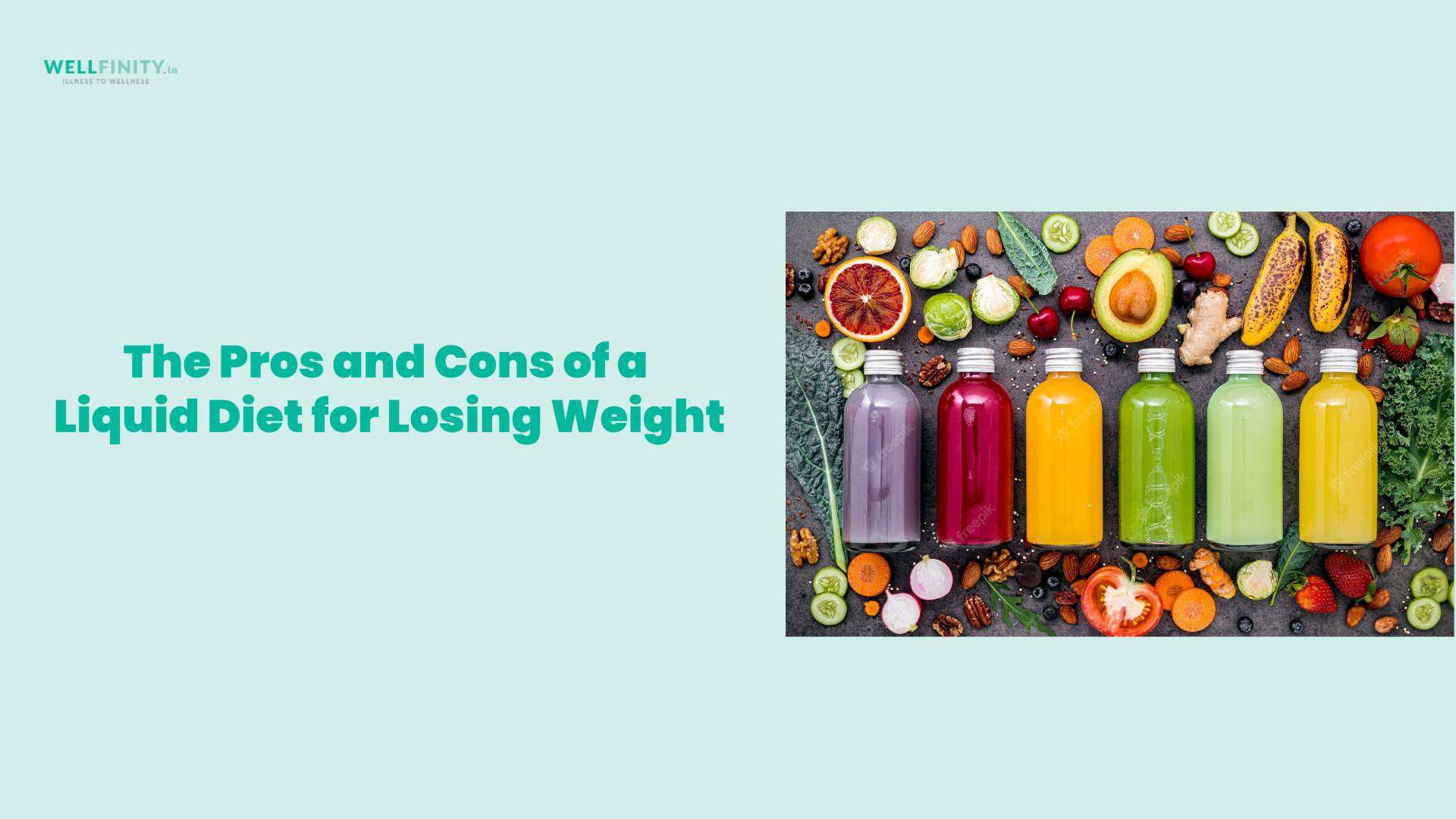
The Pros and Cons of a Liquid Diet for Losing Weight
A liquid diet can offer various benefits for diabetics and for those who are obese, such as detoxification and giving the gut much-needed rest. However, it is crucial to understand the types of liquids involved and the duration of fasting....
Read More