 Join our Root-Cause Based Detox Programs: Group or Individual I


Wellfinity health center

Or choose a category to quickly find the help you need

“They studied my case thoroughly and recommended a change in diet (e.g. no wheat, no dairy products, no milk and addition of millets etc.). They further suggested natural probiotics, cold pressed coconut oil, homemade detox drink after which I started feeling much better and that too without any medicines” – As reported by the member herself
- Author : Team Wellfinity
- Updated:
I was suffering from Diabetes for the past 1.5 years for which I taking both insulin and medicines. My doctor referred me to Dr. Thangadurai for a consultation. Prior to 2 months, my sugar levels were like 420 mg% and now it is totally under control without any medications. I am no longer feeling dull and lethargy but have a renewed energy and a healthy self!
- Venkatachalam, 42 yrs
Featured articles
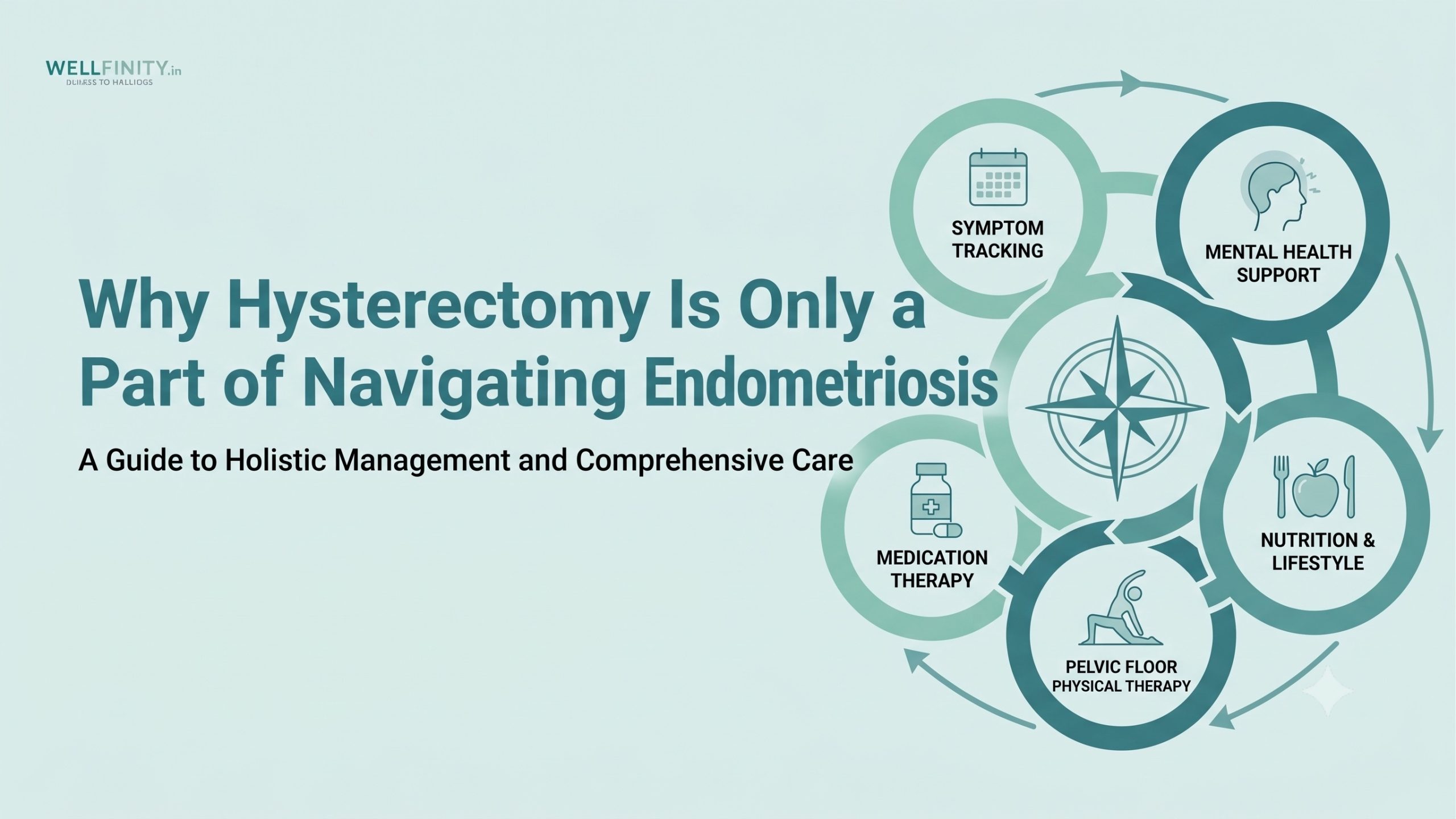
For many women in India, the journey to managing endometriosis and chronic pelvic pain is long, confusing, and often leads to a single destination: the operation theatre. Data suggests that a significant number of women undergo hysterectomies at a relatively young age in an attempt to find relief [1–3].
If you are currently looking at a scan report that mentions a “bulky uterus” or an “endometriotic cyst,” you are likely exploring your options. While surgery is a necessary, life-changing, and sometimes urgent intervention for many, it is not the only piece of the puzzle.
As a functional medicine physician, my goal is to help patients understand the environment in which these conditions develop.
Let’s explore why standard surgical treatments are sometimes only part of the solution, and how functional medicine and holistic lifestyle approaches can provide comprehensive support for women navigating endometriosis.
Understanding the Scope of Endometriosis
Endometriosis occurs when tissue similar to the uterine lining grows outside the uterus, most commonly on the ovaries, the pelvic walls, or the ligaments supporting the pelvic organs [4].
Sometimes, it can even affect the bowel and bladder.
Because of this specific pathology, standard treatments like a hysterectomy (which is a surgical procedure that removes the uterus) may not address the entirety of the condition.
Multiple peer-reviewed studies have observed that for a meaningful subset of women, pelvic pain can persist even after the uterus is removed. A large single-institution study found that roughly 12% of women reported persistent pelvic pain at six months post-hysterectomy [5,6], while a longer-term multicenter study reported persistent pain in about 16% of women a year after surgery [7]. Other reviews cite figures as high as 20–21% of women with a history of endometriosis continuing to experience symptoms after hysterectomy [8].
There are two primary reasons for this:
The Tissue Remains: A hysterectomy removes the uterus, but unless a highly specialized excision surgery is performed simultaneously, the endometriotic lesions on the ovaries, peritoneum, or bowel may remain [9]. These tissues can continue to react to the body’s hormonal fluctuations. Retained ovaries in particular continue producing estrogen that can stimulate any residual lesions [8,9].
Central Sensitization: After years of chronic, monthly inflammation, the nervous system can physically change. Research shows that self-reported markers of central sensitization measured before hysterectomy are a robust, independent predictor of persistent pain afterward — more predictive than the surgical findings themselves [5,6,10]. One study estimates that central sensitization may explain persistent chronic pelvic pain in roughly 30–42% of endometriosis patients following surgical treatment [10]. The spinal cord and brain, after processing pain signals for so long, become sensitized enough that removing the original trigger doesn’t necessarily stop the transmission of pain.
Additionally, chronic pelvic pain is rarely an isolated issue. It is often accompanied by tight, spasming pelvic floor muscles, digestive distress that mimics Irritable Bowel Syndrome (IBS), or bladder pain — a cluster clinicians increasingly describe as overlapping chronic pain conditions [6].
The Functional Medicine Perspective: Exploring the “Why”
In functional medicine, we use a systems-biology approach. Rather than solely looking at the physical lesions, we ask: What is happening in the body’s internal environment that allowed this inflammatory condition to develop?
Endometriosis is increasingly viewed not just as a structural issue, but as a systemic, inflammatory, and hormonal condition [11]. Current research points to several key physiological drivers that we can support through targeted lifestyle interventions.
1. Estrogen Metabolism and the Gut Microbiome
A primary focus in functional medicine is how your body processes and clears estrogen. The issue is often not just how much estrogen your body makes, but how efficiently it breaks it down. Your liver processes estrogen and sends it to the gut for disposal.
This gut-hormone relationship has a name in the scientific literature: the “estrobolome” — the collection of gut bacterial genes capable of metabolizing estrogens [12,13]. If you have gut dysbiosis (an imbalance of gut bacteria) or chronic constipation, certain bacteria produce an enzyme called beta-glucuronidase, which can deconjugate (reactivate) estrogen in the gut and send it back into circulation via enterohepatic recirculation [12,14,15]. Elevated beta-glucuronidase activity and serum estradiol have been documented in women with endometriosis compared to controls in several case-control studies [16,17].
Important caveat for balanced reporting: this research area is still evolving. Some of the largest studies to date — including a cohort of 1,000 women and other case-control analyses — have found no significant difference in gut beta-glucuronidase activity or microbial diversity between women with and without endometriosis, even while finding other estrogen-metabolite differences [18,19]. The estrobolome-endometriosis link is biologically plausible and mechanistically well-described, but a consistent diagnostic “signature” has not yet been established [13,18]. Supporting liver function and gut health remains a reasonable clinical strategy, but it should be framed as supportive rather than as an established, singular causal pathway.
2. Chronic, Low-Grade Inflammation
Endometriosis is now widely characterized in the literature as a chronic, systemic inflammatory condition, not solely a localized structural one [11,20]. Diets high in ultra-processed foods, refined sugar, and saturated/trans fats have been associated with elevated inflammatory markers and, in observational studies, a higher risk of endometriosis diagnosis — one study found women with a pro-inflammatory dietary pattern were roughly four times more likely to have endometriosis, and those eating more than two servings of red meat daily had a 56% higher risk [21]. Animal studies similarly show that high-fat diets increase peritoneal inflammation and pain sensitivity in models of endometriosis [22]. Conversely, Mediterranean-style and anti-inflammatory dietary patterns are associated with reduced systemic inflammation and, in some studies, improved symptom burden [21,23,24].
It’s worth noting the evidence base here is still mostly observational rather than from large randomized controlled trials, so these associations are best described as “linked to” rather than “proven to cause.”
This systemic inflammation is one reason why endometriosis so frequently overlaps with other conditions like Polycystic Ovary Syndrome (PCOS), thyroid imbalances, and autoimmune markers [11].
3. The Stress-Hormone Axis
Years of high physiological or psychological stress elevate cortisol levels via activation of the hypothalamic-pituitary-adrenal (HPA) axis. Research links chronic HPA-axis dysregulation to increased systemic inflammation and worsened pain, anxiety, and depression symptoms in women with endometriosis [25]. Regulating the nervous system is a recognized component of managing chronic pain, particularly given the central-sensitization mechanisms described above [5,6,10].
The precise causal chain — from psychological stress, to cortisol, to reproductive hormone disruption, to endometriosis progression specifically — is an active area of research rather than a fully settled mechanism, and readers should treat this as an associative, supportive framework rather than a proven driver of disease.
4. Environmental Toxins (Endocrine Disruptors)
We are increasingly exposed to compounds like BPA from plastics and phthalates in cosmetics and food packaging. These chemicals act as endocrine disruptors, capable of binding estrogen receptors and mimicking or interfering with natural hormone signaling [26,27].
This is one of the better-supported associations in the article: a 2024 meta-analysis of 22 studies (over 83,000 women) found BPA exposure associated with roughly 1.8-fold higher odds of endometriosis, and certain phthalate metabolites (MEOHP, MEHHP) associated with nearly 2-fold higher odds [28]. A separate case-control study found a combined “mixture effect” of phthalates and bisphenols with a 44% higher odds of endometriosis [29]. That said, evidence for phthalates specifically is mixed — some individual studies find no significant association [30] — and the field acknowledges the overall evidence, while suggestive, has not established causation [26,27,31].
What a Holistic Wellness Workup Looks Like
A functional medicine approach does not replace the expertise of your gynecologist; rather, it complements it. Whether you are trying to avoid surgery, or preparing your body to heal optimally after a necessary surgery, addressing the root environment is key.
At the Functional Medicine Clinic, our process involves:
- Comprehensive Testing: Moving beyond standard scans to include detailed hormone metabolite panels, inflammatory markers (like hs-CRP), fasting insulin, comprehensive thyroid panels, and functional gut assessments. (Note: these markers assess systemic inflammatory and metabolic status; they are supportive/adjunctive tools and are not diagnostic for endometriosis itself, which requires imaging and, definitively, surgical/histological confirmation.)
- Targeted Nutrition: Utilizing food as medicine to reduce systemic inflammation and support proper estrogen clearance [21,23,24].
- Precision Supplementation: Using evidence-based supplements tailored to your specific lab results to support liver detoxification and correct nutrient deficiencies.
- Lifestyle Optimization: Implementing strategies for stress resilience, sleep repair, and reducing your daily exposure to environmental toxins.
This process takes time — hormone patterns generally take three to six months to shift — but the goal is to cultivate a resilient body that is less hospitable to chronic inflammation.
Working Together with Your Healthcare Team
There are many clinical scenarios such as severe adenomyosis, large fibroids pressing on other organs, or suspected malignancies where surgery is absolutely the most appropriate and sometimes only option.
A responsible functional medicine approach recognizes these boundaries and works closely alongside your primary surgical or gynecological team.
If you are staring at a scan report and feel overwhelmed by your options, remember that you have the space to ask questions about your body’s overall health.
You deserve to understand the why behind your symptoms. If you are ready to explore how functional medicine can support your journey, book a consultation, bring your reports, and let’s look at the complete picture together.
Frequently Asked Questions (FAQ)
Can functional medicine cure endometriosis? Endometriosis is a complex, chronic condition, and there is currently no medical “cure” [8,20]. Functional medicine focuses on managing the condition by supporting the body’s natural systems — such as optimizing gut health, supporting hormone clearance, and reducing systemic inflammation — to help manage symptoms and improve overall quality of life.
Do I still need to see a gynecologist if I see a functional medicine doctor? Yes. Functional medicine is designed to complement, not replace, standard medical care. We strongly encourage our patients to maintain a close relationship with their primary gynecologist for structural assessments, acute care, and surgical interventions when necessary.
How does gut health relate to hormonal imbalances like endometriosis? The gut plays a role in the final stages of hormone clearance via the estrobolome pathway [12,13]. An imbalanced gut microbiome (dysbiosis) may interfere with the body’s ability to safely excrete processed estrogen, potentially leading to reabsorption of these hormones into the bloodstream — though as noted above, direct evidence specific to endometriosis is still emerging and not fully consistent across studies [18,19].
Disclaimer: The information provided in this article is for educational purposes only and is not intended to diagnose, treat, cure, or prevent any disease. It does not replace the advice of your primary care physician or gynecologist. Always consult with a qualified healthcare provider before making any changes to your medical treatment, taking new supplements, or making significant dietary changes. If you are experiencing severe pelvic pain or heavy bleeding, please seek immediate medical attention.
References
- Shekhar, C., Paswan, B., & Singh, A. (2019). Prevalence, sociodemographic determinants and self-reported reasons for hysterectomy in India. *Reproductive Health*, 16, 118. https://doi.org/10.1186/s12978-019-0780-z
2. Prusty, R. K., Choithani, C., & Gupta, S. D. (2018). Predictors of hysterectomy among married women 15–49 years in India. *Reproductive Health*, 15, 3. https://doi.org/10.1186/s12978-017-0445-8
3. Singh, A., & Govil, D. (2021). Hysterectomy in India: Spatial and multilevel analysis. *Women’s Health*, 17. https://doi.org/10.1177/17455065211017068
4. Johns Hopkins Medicine. Endometriosis. https://www.hopkinsmedicine.org/health/conditions-and-diseases/endometriosis
5. As-Sanie, S., Till, S. R., Schrepf, A. D., et al. (2021). Incidence and predictors of persistent pelvic pain following hysterectomy in women with chronic pelvic pain. *American Journal of Obstetrics & Gynecology*, 225(5), 568.e1–568.e11. https://doi.org/10.1016/j.ajog.2021.08.038
6. Pelvic pain comorbidities associated with quality of life after endometriosis surgery. *American Journal of Obstetrics & Gynecology* (2023). https://www.sciencedirect.com/science/article/abs/pii/S0002937823002788
7. Lukas, P., Nilsson, L., Borendal Wodlin, N., Arendt-Nielsen, L., & Kjølhede, P. (2024). Changes in spatial bodily pain distribution one year after benign hysterectomy. *BMC Women’s Health*. https://doi.org/10.1186/s12905-024-03474-5
8. Endometriosis after hysterectomy. Healthline; Facts, Views & Vision in ObGyn (review discussion). https://www.healthline.com/health/endometriosis-after-hysterectomy
9. Recurrent pain after hysterectomy and bilateral salpingo-oophorectomy for endometriosis: evaluation of laparoscopic excision of residual endometriosis. *PubMed* (1999). https://pubmed.ncbi.nlm.nih.gov/10428534/
10. The Influence of Central Sensitization in Endometriosis Disease. ClinicalTrials.gov protocol summary. https://cdn.clinicaltrials.gov/large-docs/61/NCT07014761/Prot_SAP_000.pdf
11. Dietary and Nutritional Interventions for the Management of Endometriosis. *Nutrients* (2024). https://pubmed.ncbi.nlm.nih.gov/39683382/
12. Estrogen–gut microbiome axis: Physiological and clinical implications. *Maturitas* (2017). https://www.maturitas.org/article/S0378-5122(17)30650-3/fulltext
13. The estrobolome and its emerging role in endometriosis pathogenesis: no guts, no story? *Gynecological Endocrinology* (2026). https://www.tandfonline.com/doi/full/10.1080/09513590.2026.2652093
14. Ervin, S. M., Li, H., Lim, L., et al. (2019). Gut Microbial β-Glucuronidases Reactivate Estrogens as Components of the Estrobolome. *Journal of Biological Chemistry*, 294(49), 18586–18599.
15. Sui, Y., Wu, J., & Chen, J. (2021). The Role of Gut Microbial β-Glucuronidase in Estrogen Reactivation and Breast Cancer. *Frontiers in Cell and Developmental Biology*. https://doi.org/10.3389/fcell.2021.631552
16. Could the estrobolome have a role in endometriosis pathogenesis and infertility? A systematic review. *BMC Women’s Health* (2025). https://doi.org/10.1186/s12905-025-04195-z
17. Wei, H., Tan, R., Yang, R., et al. (2023). Gut Dysbiosis-Derived β-glucuronidase Promotes the Development of Endometriosis. *Fertility and Sterility*, 120(4), 682–694.
18. Gut microbiome in endometriosis: a cohort study on 1000 individuals. *BMC Medicine* (2024). https://doi.org/10.1186/s12916-024-03503-y
19. Pai, A. H., Wang, Y., Lu, P., Wu, H., Xu, J., & Huang, H. (2023). Gut Microbiome–Estrobolome Profile in Reproductive-Age Women with Endometriosis. *International Journal of Molecular Sciences*, 24(22), 16301. https://doi.org/10.3390/ijms242216301
20. The Role of Lifestyle and Diet in the Treatment of Endometriosis: A Review. https://www.ncbi.nlm.nih.gov/pmc/articles/PMC12787854/
21. Dietary and Nutritional Interventions for the Management of Endometriosis. *Nutrients* (2024), 16(23), 3988. https://www.mdpi.com/2072-6643/16/23/3988
22. Herup-Wheeler, T., Shi, M., Harvey, M. E., et al. (2024). High-fat diets promote peritoneal inflammation and augment endometriosis-associated abdominal hyperalgesia. *Frontiers in Endocrinology*. https://doi.org/10.3389/fendo.2024.1336496
23. Harnessing diet to modulate inflammation and symptom progression in endometriosis. *Frontiers in Nutrition* (2026). https://doi.org/10.3389/fnut.2026.1776512
24. Diet and Endometriosis: An Umbrella Review. *Foods* (2025), 14(12), 2087. https://doi.org/10.3390/foods14122087
25. Diet and Endometriosis: An Umbrella Review — HPA axis and stress discussion. https://pmc.ncbi.nlm.nih.gov/articles/PMC12192176/
26. Interdonato, L., Siracusa, R., Fusco, R., Cuzzocrea, S., & Di Paola, R. (2023). Endocrine Disruptor Compounds in Environment: Focus on Women’s Reproductive Health and Endometriosis. *International Journal of Molecular Sciences*, 24(6), 5682. https://doi.org/10.3390/ijms24065682
27. Moustakli, E., Potiris, A., Grigoriadis, T., et al. (2025). Unraveling the Core of Endometriosis: The Impact of Endocrine Disruptors. *International Journal of Molecular Sciences*, 26(15), 7600. https://doi.org/10.3390/ijms26157600
28. Plastic-related endocrine disrupting chemicals significantly related to the increased risk of estrogen-dependent diseases in women. *Environment International* (2024). https://www.sciencedirect.com/science/article/pii/S0013935124008703
29. The mixture of non-persistent endocrine-disrupting chemicals in relation to endometriosis. *Environmental Research* (2024). https://pubmed.ncbi.nlm.nih.gov/39388968/
30. Study of possible association between endometriosis and phthalate and bisphenol A by biomarkers analysis. *Reproductive Toxicology* (2019). https://www.sciencedirect.com/science/article/abs/pii/S0731708518325573
31. Environmental Exposure to Non-Persistent Endocrine Disrupting Chemicals and Endometriosis: A Systematic Review. *International Journal of Environmental Research and Public Health* (2022), 19(9), 5608. https://doi.org/10.3390/ijerph19095608
Note on India hysterectomy statistics used in the opening paragraph: national-level data (NFHS-4/5, LASI) shows meaningful regional variation — e.g., southern states like Andhra Pradesh and Telangana report 40%+ of hysterectomies performed on women under 40, compared to lower rates nationally. If you’d like, I can tailor the exact figure cited in your opening paragraph to a specific state or a national average, with the precise source line, rather than the general “significant number” framing.

A healthy and nutritious version of the famous Indian chaat (snack). Made withwhite chickpeas (chana or chole), spices, herbs, onions, tomatoes and lemon, this is a quick and easy, tasty, tangy snack or even salad for just about anytime. Chickpeas are high in dietary fiber and also a rich source of proteins along with other micro nutrients. A regular consumption is known to regulate blood sugar and boost digestive and heart health, among other benefits.
● Prep time- 12 hours (including the soaking time)
● Making time- 5 minutes
● Servings- 2
Ingredients:
- Chickpea- 2 cups
- Onion- 2 tbsp, chopped
- Tomato- 2 tbsp, chopped
- Green chilli (optional)- 1 small, chopped
- Lemon juice- 8-10 drops
- Black salt- ¼ tsp
- Black pepper powder- ¼ tsp
- Coriander leaves- 1 tbsp, chopped
- Sesame seeds- ¼ tsp
Process:
● Soaking your chickpeas overnight is key to making this dish correctly. You can cook them however you’d like, but steaming them will help to retain their nutritional value. If you’re using a pressure cooker, be careful not to overcook them. Cook for a maximum of three whistles in a pressure cooker.
● Once they’re done, strain the water and put them in a plate or bowl to cool.
● Once they’re cold, garnish finely chopped onion, tomato, green chili, and some coriander leaves.
● Squeeze the lime juice over the mixture and season with black salt and black pepper powder.
● Top it all off with sesame seeds and enjoy!
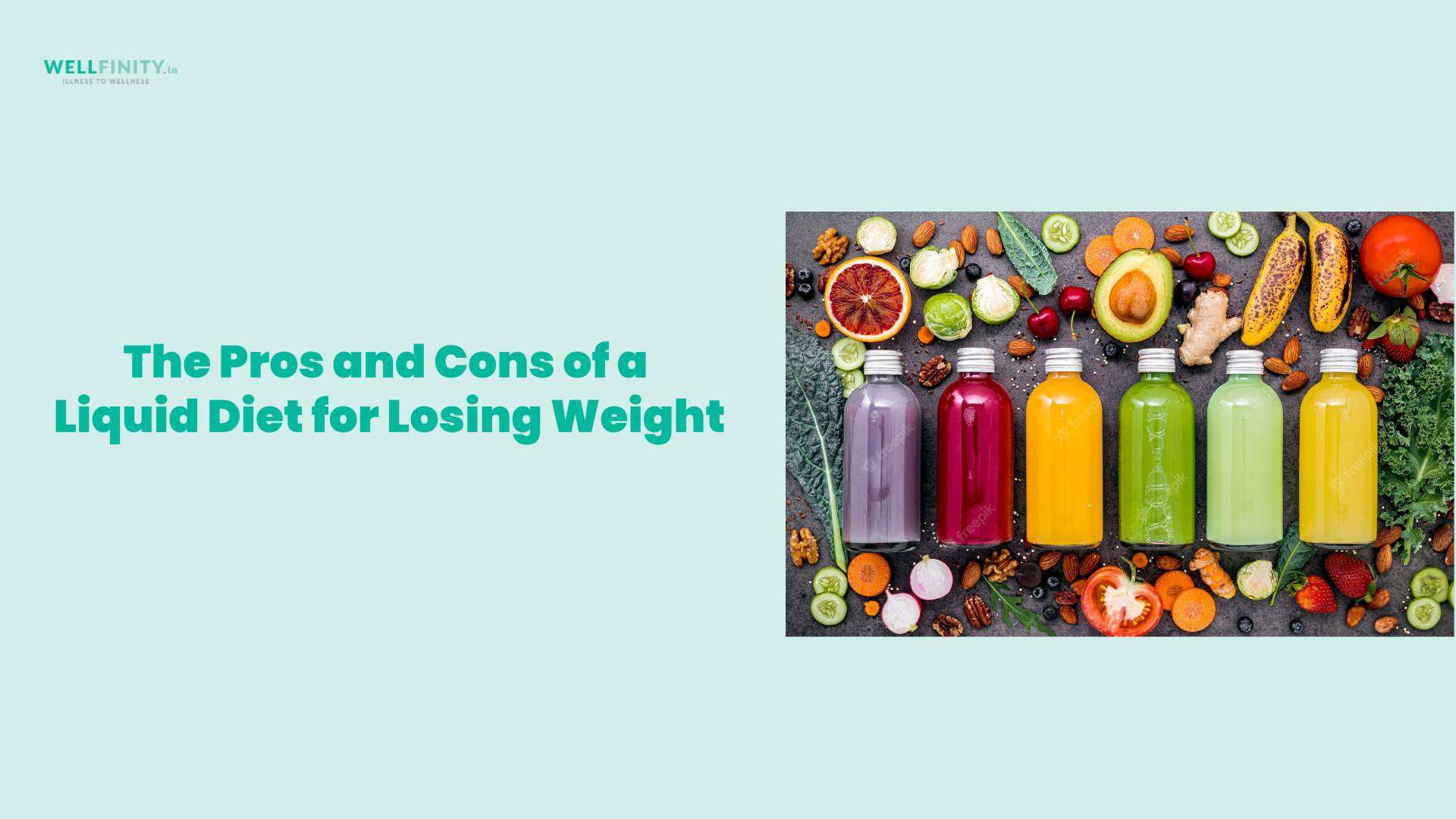
A liquid diet can offer various benefits for diabetics and for those who are obese, such as detoxification and giving the gut much-needed rest. However, it is crucial to understand the types of liquids involved and the duration of fasting. In this blog, we delve into liquid diet pros and cons, liquid food diet, different kind of liquid diets and their implications for individuals with diabetes and for weight loss.
Water Diet or Fasting
A water diet can be beneficial for short periods, allowing the body to repair and detoxify. However, extending a long term liquid diet of water deprives the body and mind of the essential variety, quality, and quantity of nutrition needed for optimal health. Therefore, it is recommended to practice water fasting once a week or for 2-3 days at a stretch while ensuring adequate nutrition intake during non-fasting periods.
Reverse Your Diabetes and Chronic Diseases!
Get Started on Your Reversal Journey Today!
Cold-Pressed Vegetable Juice Fasting
Vegetable juice fasting provides soluble fibres, enzymes, vitamins, minerals, and enzymes to support the body. However, this diet lacks essential fats and proteins. It is suitable for detoxification purposes for 7-10 days, but prolonged reliance on juice fasting alone may result in deficiencies in essential structured raw materials. To compensate, include protein powder, Omega-3 supplements, nuts, seeds, and healthy fats in conjunction with the juice fasting to support the body’s requirements.
Avoiding Fruit Juice Diet
A fruit juice diet is not advisable for individuals with diabetes. It increases the glycemic load and provides an abundant supply of raw materials for infections, potentially leading to gut dysbiosis and compromised mitochondrial function. Fruit juices lack the natural fiber found in whole fruits, which is beneficial for prebiotics and overall digestive health. It is best to consume fruits and vegetables in their whole form or as juice for limited periods, supplemented with necessary proteins and fats.
Conclusion
While the benefits of a liquid diet for diabetics and whether can you lose weight on a liquid diet, it is essential to approach it with caution and consider individual needs. Water fasting and cold-pressed vegetable juice fasting can support detoxification and nutrition intake when practiced for short durations. However, a prolonged reliance and long term liquid diet alone may lead to deficiencies in essential fats and proteins. It is crucial to include other sources of nutrition and consume fruits and vegetables in their whole form to ensure a balanced and healthy diet for individuals with diabetes and or obesity. Hence the question is a liquid diet healthy, purely depends on how long and what type of diet are you following.

Latest Blogs
If you are forgetting names, losing focus, or feeling mentally slower – it may not be due to aging, but due to your metabolism. A few weeks ago, a 65-year-old gentleman from Bangalore consulted us online, visibly anxious. He had recently been diagnosed with borderline diabetes, but what truly disturbed him was something far more […]
- Author : Team Wellfinity
- Updated:
A few days ago, a 62-year-old woman came to us at Wellfinity, for what she called a “formality check-up.” She felt fine. She walked daily, cooked her own meals, and rarely fell sick. “I just want to make sure everything is normal,” she said, casually. But her reports told a quieter story; borderline HbA1c, low […]
- Author : Team Wellfinity
- Updated:
A few years ago, a patient in his late fifties came to my clinic with a concern that is increasingly common today. He had a comfortable life; a stable career, good income, a climate-controlled home, regular meals, and minimal physical exertion. But despite this comfort, he felt constantly fatigued, struggled with weight gain, and his […]
- Author : Team Wellfinity
- Updated:

Watch our videos
Wellfinity, One stop solution for diatetes
Personalized yoga sessions
Healthy homemade salad



Take a quiz to find out if you are diabetic or pre-diabetic

Healthy Recipes
A healthy and nutritious version of the famous Indian chaat (snack). Made withwhite chickpeas (chana or chole), spices, herbs, onions, tomatoes and lemon, this is a quick and easy, tasty, tangy snack or even salad for just about anytime. Chickpeas are high in dietary fiber and also a rich source of proteins along with other […]
- Author : Team Wellfinity
- Updated:

Almond milk contains vitamins, minerals, and antioxidants that contribute to its significant health advantages. Magnesium is abundant in almond milk. Unsweetened almond milk has fewer sugars and carbs than animal milk. It is just as flavorful as dairy milk but has 50% to 80% fewer calories. ● Prep time- 24 hours (including the soaking time) […]
- Author : Team Wellfinity
- Updated:

Omega-3 fats are abundant in walnuts, which also have higher antioxidant levels than most other foods. Consuming walnuts may enhance brain health and shield against cancer and heart disease. Chocolate cake is a popular dessert but is also unhealthy. So why not make this cake healthy. If you’re craving chocolate, you need to try this […]
- Author : Team Wellfinity
- Updated:
