Join our Root-Cause Based Detox Programs: Group or Individual I


A few years ago, a patient in his late fifties came to my clinic with a concern that is increasingly common today. He had a comfortable life; a stable career, good income, a climate-controlled home, regular meals, and minimal physical exertion. But despite this comfort, he felt constantly fatigued, struggled with weight gain, and his metabolic markers were slowly worsening.
When we discussed his daily routine, a striking pattern emerged: his body was rarely challenged! He ate frequently, avoided strenuous exercise, stayed indoors most of the time, and had very little exposure to physical or environmental stress.
This is not unusual in modern society. Over the past century, we have engineered convenience into nearly every aspect of life. Today, we have abundant food, comfortable temperatures, sedentary work, and minimal physical hardship. While these changes have made life easier, they have also removed many of the biological stressors that our bodies evolved to handle.
This brings us to an important concept in biology and functional medicine: hormesis.
Hormesis refers to the biological “sweet spot” where a small amount of stress triggers beneficial adaptive responses in the body. In other words, controlled stress does not weaken us. In fact, it makes us more resilient.
In our clinical practice, we commonly observe that the patients who age the most gracefully are not the ones who live in constant comfort. Rather, they are the individuals who challenge their bodies safely through movement, fasting, temperature exposure, and metabolic stress.
Hormesis is essentially the scientific expression of a well-known idea captured in Friedrich Nietzsche’s famous words:
“What does not kill me makes me stronger.”
Of course, the key lies in controlled, manageable stress. Too little stress leads to biological stagnation, while excessive stress can overwhelm the body. The goal is to stay within the adaptive zone where the body strengthens itself.
In this article, we will explore the science behind hormesis, how cellular processes like autophagy support longevity, and suggest practical techniques (such as thermal exposure, fasting, and high-intensity exercise) that can improve resilience and health span.
Understanding and applying these principles can help us restore the natural challenges that our bodies need to thrive.
Many modern chronic conditions are increasingly linked to a loss of metabolic flexibility and biological resilience. Constant access to food, sedentary lifestyles, chronic psychological stress, poor sleep, artificial environments, and lack of physical challenge have created a state where the body is rarely required to adapt, repair, or recover efficiently. Over time, this may contribute to fatigue, insulin resistance, weight gain, fatty liver disease, chronic inflammation, hormonal imbalances, autoimmune dysfunction, brain fog, burnout, accelerated aging, and reduced stress tolerance.
Through the lens of functional medicine, many of these symptoms are not merely isolated diseases, but indicators of impaired adaptive capacity and declining metabolic health. Carefully applied hormetic interventions such as fasting, exercise, thermal exposure, circadian-aligned eating, and metabolic conditioning can help restore cellular resilience, improve mitochondrial function, activate autophagy, and support long-term healthspan and longevity.
The Science: Why Stress Can Be Good for the Body

At first glance, the idea that stress could improve health may seem counterintuitive. Stress is often associated with disease, burnout, and aging. But the fact is that the type, intensity, and duration of stress determine whether it harms or strengthens the body.
Hormesis operates through a biological principle known as ‘adaptive stress response’. When the body encounters a mild stressor, it activates protective cellular mechanisms that repair damage, improve efficiency, and strengthen resilience. Once the stressor disappears, the body emerges stronger and better prepared for future challenges.
This response is part of a pleiotropic pro-survival program. When cells or organisms are exposed to mild stress, they activate multiple adaptive pathways that prepare them for future stress. When a stronger stress occurs later, these preconditioned cells are far more resistant than naïve cells.
Interestingly, this principle is already widely used in medicine. Vaccination and allergy therapies are classic examples of hormesis – small exposures train the immune system to become stronger and more resilient.
At the cellular level, several mechanisms drive this adaptive response.
Autophagy: The Body’s Cellular Cleanup System
One of the most important longevity mechanisms triggered by hormesis is autophagy.
Autophagy literally means “self-eating.” It is the body’s way of cleaning, recycling, and repairing damaged cellular components.
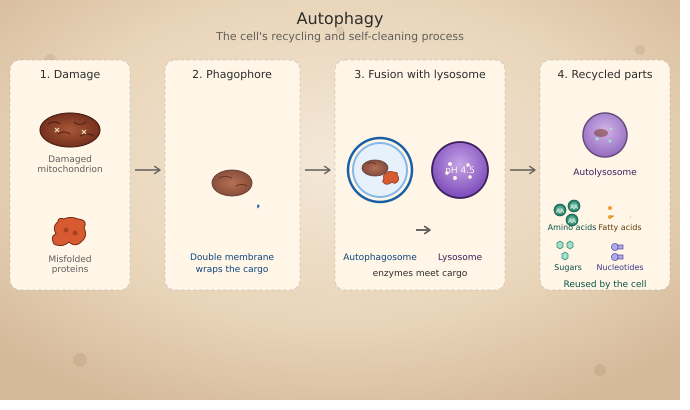
Think of it as a maintenance system. Just as a car requires regular servicing to remove worn-out parts and keep the engine running efficiently, our cells require periodic cleanup to function properly.
Not promoting autophagy is like never upgrading or servicing your car. Over time, damaged components accumulate and performance declines.
Autophagy performs several critical roles. It cleans and disposes damaged proteins, it recycles cellular components, remodels cells for improved functioning, supports immune defence and enhances cancer surveillance.
Activation of autophagy is associated with several measurable health benefits such as increased heart rate variability, improved cholesterol quality, reduced BP, reduced insulin resistance, lower inflammation, and improved longevity.
Hormetic stressors such as fasting, exercise, and thermal exposure are powerful triggers for this cellular housekeeping process.
Many of these benefits are regulated through key nutrient-sensing pathways such as AMPK and mTOR. While mTOR is associated with growth and nutrient abundance, AMPK becomes activated during fasting, exercise, and metabolic stress, stimulating autophagy, mitochondrial repair, insulin sensitivity, and cellular recovery. Healthy aging depends not only on growth, but on maintaining the biological balance between growth and repair.
Mitochondrial Biogenesis: Building Better Energy Factories
Another major benefit of hormesis is mitochondrial biogenesis, the process by which the body produces new mitochondria.
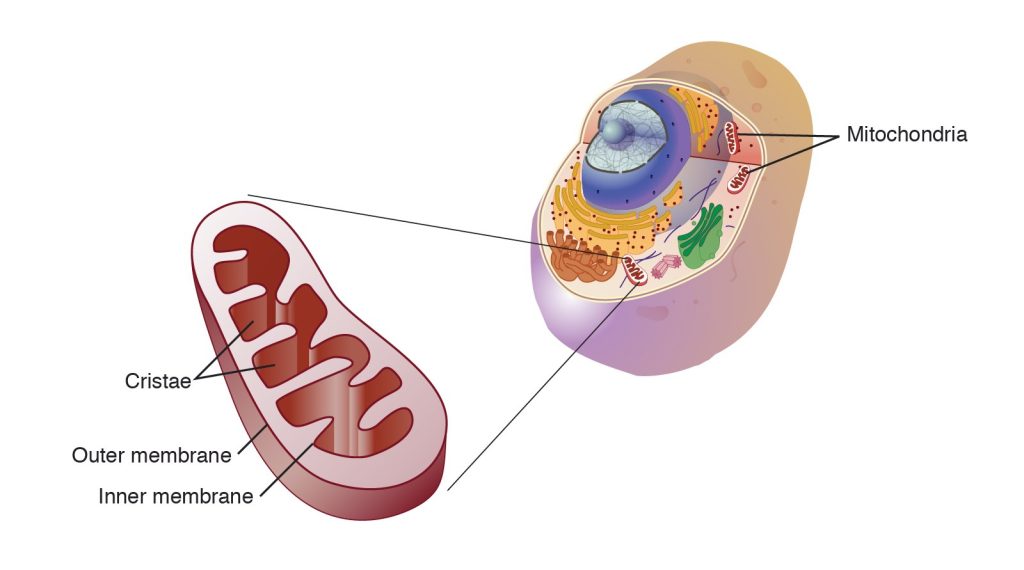
Mitochondria are often described as the power plants of the cell, responsible for generating the energy required for nearly all biological processes. As we age, mitochondrial efficiency declines, leading to reduced energy production and metabolic dysfunction.
Hormetic stress (especially through exercise and metabolic challenges) stimulates the body to produce more mitochondria and better-functioning ones. This improves metabolic efficiency, enhances endurance, and supports long-term health.
Together, autophagy, mitophagy, and mitochondrial biogenesis form a powerful biological partnership that promotes cellular resilience, metabolic efficiency, energy production, and healthy aging. Mitophagy specifically helps remove damaged or dysfunctional mitochondria, improving mitochondrial quality control and reducing oxidative stress associated with aging and chronic disease.
Practical Ways to Harness Hormesis
Hormesis can be activated through several lifestyle practices that expose the body to controlled, beneficial stress. Below are some effective techniques that stimulate adaptive responses and improve resilience. The following sections outline a few key approaches and how they can be incorporated into daily life:
Technique 1: Thermal Stress (Heat and Cold)
One of the most accessible ways to activate hormesis is through controlled exposure to temperature extremes. Both heat and cold act as powerful biological stressors that trigger adaptive responses in the body.
Heat Exposure: Saunas and Heat Stress
Heat exposure activates a group of protective proteins known as heat shock proteins.
These proteins play an essential role in maintaining cellular integrity during stress. They help prevent the accumulation of damaged or misfolded proteins, which are implicated in many age-related diseases.
Heat shock proteins provide several health benefits such as protection against cellular stress, prevention of protein aggregation linked to neurodegenerative diseases, improved cardiovascular function, better vascular compliance and endothelial health, improved resting blood pressure, and enhanced ventricular function.
Interestingly, sauna use can mimic several physiological responses seen during exercise, including increased heart rate and improved circulation.
Repeated sauna use can optimize the body’s stress response through hormesis. Research suggests that frequent sauna exposure is associated with reduced morbidity and mortality in a dose-dependent manner.
Sauna use may also help preserve muscle mass and combat sarcopenia – the age-related loss of muscle.
A simple protocol is to begin gradually with about 15 minutes of heat exposure, followed by a brief cooling phase.
Cold Exposure: Cold Plunges and Metabolic Activation
Cold exposure is another powerful hormetic stressor.
When the body is exposed to cold temperatures for a brief period, it activates several adaptive processes such as the release of norepinephrine and the activation of brown fat for calorie burning. It also has anti-inflammatory effects, improves metabolic efficiency, enhances mood and resilience, and improves the body’s ability to regulate temperature and adapt to environmental stress.
A typical protocol involves 1 – 3 minutes cold plunges at temperatures around 55 – 60°F.
However, individuals with pre-existing cardiovascular conditions should approach cold exposure cautiously, and it is important never to submerge the head when entering cold water initially.
Technique 2: Nutritional Stress (Intermittent Fasting)
Humans evolved in environments where food availability was inconsistent. Periods of feast were naturally followed by periods of scarcity. During these fasting states, the body adapted by becoming more efficient at energy production, cellular repair, and survival.
In modern society, however, constant access to food – especially refined carbohydrates – keeps many people in a continuous “fed state.” As a result, the body remains dependent on glucose for energy and insulin levels stay persistently elevated. Over time, this contributes to insulin resistance, inflammation, metabolic inflexibility, and increased risk of cardiometabolic disease.

This loss of metabolic flexibility — the body’s ability to efficiently switch between glucose-burning and fat-burning — is increasingly recognized as a major contributor to obesity, insulin resistance, fatty liver disease, chronic fatigue, inflammation, poor energy production, and accelerated aging. Hormetic interventions such as fasting, exercise, thermal exposure, and circadian-aligned eating help restore mitochondrial efficiency, metabolic adaptability, and cellular resilience.
Fasting works as a hormetic stressor by temporarily depriving the body of incoming energy. In response, the body shifts from carbohydrate burning to fat burning, improves insulin sensitivity, and activates several repair mechanisms. One of the most important of these is autophagy, the cellular cleanup process that removes damaged proteins and dysfunctional cellular components.
Fasting also stimulates pathways associated with longevity and metabolic resilience, helping the body become more efficient at energy utilization and cellular maintenance. In essence, controlled fasting teaches the body to adapt, repair, and function more efficiently under mild stress.
Intermittent Fasting and Circadian Eating
A common starting point is intermittent fasting using a 16:8 schedule, where food is consumed within an eight-hour window.
However, intermittent fasting is not truly “fasting” in the traditional sense. It is better understood as aligning food intake with circadian rhythms. This usually means eating breakfast late, and finishing dinner early (preferably before sunset).
Although, even modest fasting windows can improve insulin sensitivity and metabolic flexibility, many of the deeper benefits (particularly autophagy activation) occurs after approximately 17 hours of fasting and peaks at around 72 hours. For this reason, periodic extended fasts of about three days, performed once every quarter under appropriate supervision, can provide significant metabolic and cellular benefits.
Technique 3: Physical Stress (High-Intensity Exercise)
Exercise is perhaps the most familiar example of hormesis.
When we exercise (especially through resistance training or high-intensity intervals) we deliberately stress the body, and the result is improved strength, endurance, and metabolic health.
For example, weight training creates microscopic damage in muscle fibers. During recovery, the body repairs these fibers and makes them stronger and larger to prevent future injury.
This adaptive response is central to the benefits of exercise.
Interestingly, short-term controlled increases in oxidative stress during exercise, fasting, heat exposure, and cold therapy can activate antioxidant defenses and cellular repair pathways that strengthen long-term resilience.
- High-Intensity Interval Training (HIIT)
High-Intensity Interval Training (HIIT) involves short bursts of intense effort followed by brief recovery periods. HIIT triggers several powerful physiological adaptations such as improved muscle tissue autophagy and hypertrophy, stimulation of mitophagy and mitochondrial biogenesis, increased fat-burning hormones, release of endorphins for improved mood, improved circulation and lymphatic drainage, enhanced respiration and perspiration, greater metabolic flexibility and energy efficiency, and improved physical and mental resilience.

One of the most important benefits of HIIT is its effect on VO2 max, or maximal oxygen uptake.
VO2 max measures the body’s ability to deliver oxygen to working muscles. It is widely considered one of the best predictors of longevity and cardiovascular health.
HIIT has been shown to improve VO₂ max more effectively than conventional steady-state exercise in both sedentary individuals and elite athletes.
However, because HIIT is demanding, it should ideally be balanced with lower-intensity Zone 2 training, which supports recovery and long-term endurance.
Embracing the Stress That Strengthens Us
Modern life has removed many of the challenges our bodies once faced regularly. While convenience has improved comfort, it has also deprived us of the biological signals that maintain resilience and health.
Hormesis reminds us that the body thrives not in perfect comfort, but in manageable challenge.
Simple practices such as intermittent fasting, high-intensity exercise, resistance training, sauna use, cold exposure, and nutrient-rich polyphenol-dense foods can activate powerful adaptive mechanisms that support longevity, metabolic health, and resilience.
The remarkable part is that many of these strategies are accessible, inexpensive, and scientifically grounded.
Importantly, hormesis follows what is known as a “hormetic window,” where mild, controlled stress promotes adaptation and resilience, while excessive or poorly timed stress may overwhelm recovery systems and worsen inflammation or fatigue. This is particularly important in individuals with chronic illness, burnout, autoimmune disease, advanced metabolic dysfunction, or impaired recovery capacity.
However, these stressors should always be applied intelligently and gradually, particularly for individuals with medical conditions such as diabetes, cardiovascular disease, or metabolic disorders.
Personalization is essential. At Wellfinity, we work with patients to tailor these hormetic interventions according to their medical history, metabolic profile, and long-term health goals. Because when applied correctly, controlled stress does not weaken the body. It teaches the body how to become stronger.